Disclaimer

Disclaimer
Warning - Contents may have images/information that some viewers may find disturbing. Proceed with caution. One of the principles of sharee’ah (law) is that whatever leads to haraam deeds is itself haraam, so everything that leads to the provocation of haraam desires is haraam, because it may lead to a person falling into evil things. If you feel erotic while reading the post, please leave/close the page.
Showing posts with label Female. Show all posts

Sunday, 10 March 2013

What does man loves most?

 Beautified for mankind is love of the joys (that come) from

1. Women

2. Offspring (Children)


3. Stored-u heaps of gold & silver (Wealth)


4. Horses branded & Cattle (Assets)


5.  Land


Comfort of the life of the world 


Allah (S.W.T.) says in surat Al-Imran, (verse 14) what can be translated as, "Beautified for mankind is love of the joys (that come) from women and offspring, and stored-up heaps of gold and silver (wealth), and horses branded (with their marks), and cattle and land. That is comfort of the life of the world. Allah has excellent Return with Him."
Also Allah (S.W.T.) says in surat Al-Hadid, (verse 20) what can be translated as, "Know that the life of this world is only play, and idle talk, and pageantry, and boasting among you, and rivalry in respect of wealth and children; as the likeness of vegetation after rain, whereof the growth is pleasing to the tiller, but afterward it dries up and they see it turning yellow, then it become straw. And in the Hereafter there is grievous punishment, and (also) forgiveness from Allah and His good pleasure, whereas the life of the world is but matter of illusion."

Sunday, 23 December 2012

An Appropriate & Inappropriate Exception

An appropriate exception


 The exception to the above is the daff – without any rings (i.e., a hand-drum which looks like a tambourine, but without any rattles) – when used by women on Eids and at weddings. This is indicated by saheeh reports. Shaykh al-Islam (may Allaah have mercy on him) said: But the Prophet (peace and blessings of Allaah be upon him) made allowances for certain types of musical instruments at weddings and the like, and he made allowances for women to play the daff at weddings and on other joyful occasions. But the men at his time did not play the daff or clap with their hands. It was narrated in al-Saheeh that he said: “Clapping is for women and tasbeeh (saying Subhaan Allaah) is for men.” And he cursed women who imitate men and men who imitate women. Because singing and playing the daff are things that women do, the Salaf used to call any man who did that a mukhannath (effeminate man), and they used to call male singers effeminate – and how many of them there are nowadays! It is well known that the Salaf said this.


 In a similar vein is the hadeeth of ‘Aa’ishah (may Allaah be pleased with her), when her father (may Allaah be pleased with him) entered upon her at the time of Eid, and there were two young girls with her who were singing the verses that the Ansaar had said on the day of Bu’aath – and any sensible person will know what people say about war. Abu Bakr (may Allaah be pleased with him) said: “Musical instruments of the Shaytaan in the house of the Messenger of Allaah (peace and blessings of Allaah be upon him)!” The Messenger of Allaah had turned away from them and was facing the wall – hence some scholars said that Abu Bakr (may Allaah be pleased with him) would not tell anybody off in front of the Messenger of Allaah (peace and blessings of Allaah be upon him), but he thought that the Messenger of Allaah (peace and blessings of Allaah be upon him) was not paying attention to what was happening. And Allaah knows best.


He (the Prophet (peace and blessings of Allaah be upon him)) said: “Leave them alone, O Abu Bakr, for every nation has its Eid, and this is our Eid, the people of Islam.” This hadeeth shows that it was not the habit of the Prophet (peace and blessings of Allaah be upon him) and his companions to gather to listen to singing, hence Abu Bakr al-Siddeeq called it “the musical instruments of the Shaytaan”. And the Prophet (peace and blessings of Allaah be upon him) approved of this appellation and did not deny it when he said, “Leave them alone, for every nation has its Eid and this is our Eid.” This indicates that the reason why this was permitted was because it was the time of Eid, and the prohibition remained in effect at times other than Eid, apart from the exceptions made for weddings in other ahaadeeth.


Shaykh al-Albaani explained this in his valuable book Tahreem Aalaat al-Tarab (the Prohibition of Musical Instruments). The Prophet (peace and blessings of Allaah be upon him) approved of young girls singing at Eid, as stated in the hadeeth: “So that the mushrikeen will know that in our religion there is room for relaxation.” There is no indication in the hadeeth about the two young girls that the Prophet (peace and blessings of Allaah be upon him) was listening to them. The commands and prohibitions have to do with listening, not merely hearing, just as in the case of seeing, the rules have to do with intentionally looking and not what happens by accident. So it is clear that this is for women only.


Imaam Abu ‘Ubayd (may Allaah have mercy on him) defined the daff as “that which is played by women.” (Ghareeb al-Hadeeth, 3/64).


An inappropriate exception 


 Some of them make an exception for drums at times of war, and consequentially some modern scholars have said that military music is allowed. But there is no basis for this at all, for a number of reasons, the first of which is that this is making an exception with no clear evidence, apart from mere opinion and thinking that it is good, and this is wrong.


The second reason is that what the Muslims should do at times of war is to turn their hearts towards their Lord. Allaah says (interpretation of the meaning):
“They ask you (O Muhammad) about the spoils of war. Say: ‘The spoils are for Allaah and the Messenger.’ So fear Allaah and adjust all matters of difference among you…” [al-Anfaal 8:1]. But using music is the opposite of this idea of taqwa and  it would distract them from remembering their Lord.


Thirdly, using music is one of the customs of the kuffaar, and it is not permitted to imitate them, especially with regard to something that Allaah has forbidden to us in general, such as music. (al-Saheehah, 1/145)
 “No people go astray after having been guided except they developed arguments amongst themselves.” (Saheeh)


 Some of them used the hadeeth about the Abyssinians playing in the mosque of the Prophet (peace and blessings of Allaah be upon him) as evidence that singing is allowed! Al-Bukhaari included this hadeeth in his Saheeh under the heading Baab al-Hiraab wa’l-Daraq Yawm al-‘Eid (Chapter on Spears and Shields on the Day of Eid). Al-Nawawi (may Allaah have mercy on him) said: This indicates that it is permissible to play with weapons and the like in the mosque, and he applied that to other activities connected with jihaad. (Sharh Muslim). But as al-Haafiz ibn Hajar (may Allaah have mercy on him) said: whoever speaks about something which is not his profession will come up with weird ideas such as these.


 Some of them use as evidence the hadeeth about the singing of the two young girls, which we have discussed above, but we will quote what Ibn al-Qayyim (may Allaah have mercy on him) said, because it is valuable:
 I am amazed that you quote as evidence for allowing listening to sophisticated songs the report which we mentioned about how two young girls who were below the age of puberty sang to a young woman on the day of Eid some verses of Arab poetry about bravery in war and other noble characteristics. How can you compare this to that? What is strange is that this hadeeth is one of the strongest proofs against them. The greatest speaker of the truth [Abu Bakr al-Siddeeq] called them musical instruments of the Shaytaan, and the Messenger of Allaah (peace and blessings of Allaah be upon him) approved of that appellation, but he made an exception in the case of these two young girls who had not yet reached the age of responsibility and the words of whose songs could not corrupt anyone who listened to them. Can this be used as evidence to allow what you do and what you know of listening (to music) which includes (bad) things which are not hidden?! Subhaan Allaah! How people can be led astray! (Madaarij al-Saalikeen, 1/493).


 Ibn al-Jawzi (may Allaah have mercy on him) said: ‘Aa’ishah (may Allaah be pleased with her) was young at that time; nothing was transmitted from her after she reached the age of puberty except condemnation of singing. Her brother’s son, al-Qaasim ibn Muhammad, condemned singing and said that it was not allowed to listen to it, and he took his knowledge from her. (Talbees Iblees, 229).


Al-Haafiz ibn Hajar (may Allaah have mercy on him) said: A group of the Sufis used this hadeeth – the hadeeth about the two young girls – as evidence that singing is allowed and it is allowed to listen to it, whether it is accompanied by instruments or not. This view is sufficiently refuted by the clear statement of ‘Aa’ishah in the following hadeeth, where she says, “They were not singers.” She made it clear that they were not singers as such, although this may be understood from the wording of the report. So we should limit it to what was narrated in the text as regards the occasion and the manner, so as to reduce the risk of going against the principle, i.e., the hadeeth. And Allaah knows best. (Fath al-Baari, 2/442-443).


 Some people even have the nerve to suggest that the Sahaabah and Taabi’een listened to singing, and that they saw nothing wrong with it!
 Al-Fawzaan (may Allaah preserve him) said: We demand them to show us saheeh isnaads going back to these Sahaabah and Taabi’een, proving what they attribute to them.  Then he said: Imaam Muslim mentioned in his introduction to his Saheeh that ‘Abd-Allaah ibn al-Mubaarak said: The isnaad is part of religion. Were it not for the isnaad, whoever wanted to could say whatever he wanted to.


 Some of them said that the ahaadeeth which forbid music are full of faults. No hadeeth was free of being criticized by some of the scholars. Ibn Baaz (may Allaah have mercy on him) said: The ahaadeeth which were narrated concerning music being haraam are not full of faults as has been claimed. Some of them are in Saheeh al-Bukhaari which is the soundest of books after the Book of Allaah, and some of them are hasan and some are da’eef. But because they are so many, with different isnaads, they constitute definitive proof that singing and musical instruments are haraam.


All the imaams agreed on the soundness of the ahaadeeth which forbid singing and musical instruments, apart from Abu Haamid al-Ghazzaali, but al-Ghazzaali did not have knowledge of hadeeth; and Ibn Hazam, but al-Albaani (may Allaah have mercy on him) explained where Ibn Hazam went wrong, and Ibn Hazam himself said that if any of (these ahaadeeth) were saheeh, he would follow that. But now they have proof that these reports are saheeh because there are so many books by the scholars which state that these ahaadeeth are saheeh, but they turn their backs on that. They are far more extreme than Ibn Hazam and they are nothing like him, for they are not qualified and cannot be referred to.


 Some of them said that the scholars forbade singing because it is mentioned alongside gatherings in which alcohol is drunk and where people stay up late at night for evil purposes.
 Al-Shawkaani (may Allaah have mercy on him) said: The response to this is that mentioning these things in conjunction does not only mean that what is haraam is what is joined together in this manner. Otherwise this would mean that zinaa, as mentioned in the ahaadeeth, is not haraam unless it is accompanied by alcohol and the use of musical instruments. By the same token, an aayah such as the following (interpretation of the meaning):
“Verily, he used not to believe in Allaah, the Most Great,
And urged not on the feeding of Al‑Miskeen (the poor).”
[al-Haaqqah 69:33-34]


would imply that it is not haraam to disbelieve in Allaah unless that is accompanied by not encouraging the feeding of the poor. If it is said that the prohibition of such things one at a time is proven from other reports, the response to that is that the prohibition of musical instruments is also known from other evidence, as mentioned above. (Nayl al-Awtaar, 8/107).


************
 Some of them said that “idle talk” does not refer to singing; the refutation of that has been mentioned earlier. Al-Qurtubi (may Allaah have mercy on him) said: This – the view that it means singing – is the best that has been said concerning this aayah, and Ibn Mas’ood swore three times by Allaah besides Whom there is no other god, that it does refer to singing. Then he mentioned other imaams who said the same thing. Then he mentioned other views concerning the matter. Then he said: The first view is the best of all that has been said on this matter, because of the marfoo’ hadeeth, and because of the view of the Sahaabah and the Taabi’een. (Tafseer al-Qurtubi).


 Ibn al-Qayyim (may Allaah have mercy on him), after quoting this Tafseer, said: Al-Haakim Abu ‘Abd-Allaah said in the Tafseer of Kitaab al-Mustadrak: Let the one who is seeking this knowledge know that the Tafseer of a Sahaabi who witnessed the revelation is a hadeeth with isnaad according to the two Shaykhs (al-Bukhaari and Muslim). Elsewhere in his book, he said: In our view this hadeeth has the same strength as a marfoo’ report. Although their tafseer is still subject to further examination, it is still more readily acceptable than the tafseer of those who came after them, because they are the most knowledgeable among this ummah of what Allaah meant in his Book. It was revealed among them and they were the first people to be addressed by it. They heard the tafseer from the Messenger (peace and blessings of Allaah be upon him) in word and in deed. And they were Arabs who understood the true meanings of (Arabic) words, so Muslims should avoid resorting to any other interpretation as much as possible.


 Some of them said that singing is a form of worship if the intention is for it to help one to obey Allaah!
 Ibn al-Qayyim (may Allaah have mercy on him) said: How strange! What type of faith, light, insight, guidance and knowledge can be gained from listening to tuneful verses and music in which most of what is said is haraam and deserves the wrath and punishment of Allaah and His Messenger? … How can anyone who has the least amount of insight and faith in his heart draw near to Allaah and increase his faith by enjoying something which is hated by Him, and He detests the one who says it and the one who accepts it? (Madaarij al-Saalikeen, 1/485)


 Shaykh al-Islam said, discussing the state of the person who has gotten used to listening to singing: Hence you find that those who have gotten used to it and for whom it is like food and drink will never have the desire to listen to the Qur’aan or feel joy when they hear it, and they never find in listening to its verses the same feeling that they find when listening to poetry. Indeed, if they hear the Qur’aan, they hear it with an inattentive heart and talk whilst it is being recited, but if they hear whistling and clapping of hands, they lower their voices and keep still, and pay attention. (Majmoo’ al-Fataawa, 11/557 ff)


 Some say that music and musical instruments have the effect of softening people’s hearts and creating gentle feelings. This is not true, because it provokes physical desires and whims. If it really did what they say, it would have softened the hearts of the musicians and made their attitude and behaviour better, but most of them, as we know, are astray and behave badly.


 Conclusion
 Perhaps – for fair-minded and objective readers – this summary will make it clear that the view that music is permissible has no firm basis.

There are no two views on this matter. So we must advise in the best manner, and then take it step by step and denounce music, if we are able to do so. We should not be deceived by the fame of a man in our own times in which the people who are truly committed to Islam have become strangers.

The one who says that singing and musical instruments are permitted is simply supporting the whims of people nowadays, as if the masses were issuing fatwas and he is simply signing them!
If a matter arises, they will look at the views of fuqahaa’ on this matter, then they will take the easiest view, as they claim. Then they will look for evidence, or just specious arguments which are worth no more than a lump of dead meat. How often have these people approved things in the name of sharee’ah which in fact have nothing to do with Islam!
 Strive to learn your Islam from the Book of your Lord and the Sunnah of your Prophet. Do not say, So-and-so said, for you cannot learn the truth only from men.

Learn the truth and then measure people against it. This should be enough for the one who controls his whims and submits himself to his Lord.

May what we have written above heal the hearts of the believers and dispel the whispers in the hearts of those who are stricken with insinuating whispers.

May it expose everyone who is deviating from the path of Revelation and taking the easiest options, thinking that he has come up with something which  none of the earlier generations ever achieved, and speaking about Allaah without knowledge.

They sought to avoid fisq (evildoing) and ended up committing bid’ah – may Allaah not bless them in it.

It would have been better for them to follow the path of the believers.
 And Allaah knows best. May Allaah bless and grant peace to His Messenger who made clear the path of the believers, and to his companions and those who follow them in truth until the Day of Judgement.
 Summary of a paper entitled al-Darb bi’l-Nawa li man abaaha al-Ma’aazif li’l-Hawa by Shaykh Sa’d al-Deen ibn Muhammad al-Kibbi.
 For more information, please see:
 Al-I’laam bi Naqd Kitaab al-Halaal wa’l-Haraam, by Shaykh al-‘Allaamah Saalih ibn Fawzaan al-Fawzaan
 Al-Samaa’ by Shaykh al-Islam Ibn al-Qayyim
Tahreem Aalaat al-Tarab, by Shaykh Muhammad Naasir al-Deen al-Albaani (may Allaah have mercy on him)


Sunday, 2 December 2012

Haya

http://islamgreatreligion.files.wordpress.com/2010/06/24705_388683124180_514244180_3749980_4035966_n.jpg?w=480&h=278
What is Haya?

 
http://9jamuslima.files.wordpress.com/2012/03/modesty.png


Haya itself is derived from the word hayat which means life. This term covers a wide number of concepts. In English, it may be translated as modesty, shyness, self-respect, bashfulness, shame, honour, humility, etc. The original meaning of Haya according to a believer's nature, refers to a bad and uneasy feeling accompanied by embarrassment, caused by one's fear of being exposed or censured for some unworthy or indecent conduct.
 
http://sphotos-a.xx.fbcdn.net/hphotos-prn1/26096_114604958562406_4466960_n.jpg

Islamically Haya is an attribute which pushes the believer to avoid anything distasteful or abominable. It keeps him/her from being neglectful in giving everyone what is due upon them, and if for any reason he/she is not able to keep up with his/her commitment then they will feel extremely uncomfortable and ashamed about this. The reason being that he/she will have displeased Allah by breaking a commitment. 

 http://www.friendskorner.com/forum/photopost/data/510/392738_10150407420252253_695932252_8390959_630767901_n.jpg
 
Haya plays a huge role in the lives of Muslims because it is a very important part of our Iman (faith/belief). If we do not have any form of haya within us then it is most likely that our Iman is very weak. For as it states in the following hadith: Narrated by Abu Huraira (ra): The Prophet said, "Faith (Belief) consists of more than sixty branches (i.e. parts). And Haya is a part of faith." (Bukhari) 


We also learn from the Prophet (saws) the importance of having haya and how it is not something to be ashamed of, but instead, one should be concerned and ashamed if they do not possess it within their character.
Narrated Abdullah ibn Umar (ra): The Prophet (saws) passed by a man who was admonishing his brother regarding Haya and was saying, "You are very shy, and I am afraid that might harm you." On that, Allah's Apostle said, "Leave him, for Haya is (a part) of Faith." (Bukhari) 


Now the above hadith is also a form of proof that "shyness" is not just something regarding women but also an attribute that believing men should have, for it is an indication if their fear of Allah and an indication of the value of their Deen.

 http://us.123rf.com/400wm/400/400/dundanim/dundanim0811/dundanim081100221/3836615-portrait-of-mysterious-shy-man-looking-very-sad.jpg
 
When we think back to when we were young around eight or nine years old - we all remember this feeling of shyness and humility naturally occurring - for many it was when we felt we wanted to conceal our bodies from our mums or siblings. We were often told - "don't be silly" or "we have seen it all before" and the many other comments that people in the west or ignorant Muslim parents affected by the western values (or lack of them) say to their pure children. If these natural instincts of shyness and shame are taken by the smart parent and nurtured, it will develop and affect their entire character and also most importantly lead to a conscious responsible Muslim who prioritise their life towards submission to Allah (swt).

 http://www.elizabethmccormick.com/blog/wp-content/uploads/2009/03/b9501.jpg
 
We often find that shyness, humility and bashfulness is frowned upon by our society as a weakness or a lack of confidence when, Infact these are quality of a dignified upright human being, who is conscious of their actions and their responsibilities in life.

 https://blogger.googleusercontent.com/img/b/R29vZ2xl/AVvXsEiLxXvEKf5NcA3hslR4FUm9IoZHuz_RrrTiPKaE3D3fD8QuYo9JJAkKOOzWpu5CVqHHNAuUfyV72L-X7lnuWBkE8dud6bhun8fS_94kVPdaXQFkXgTEHB9HZZ9bBQXw4bF31Qqr3qvA3R4/s1600/TuesdayTips-3-Tips-to-Help-Shy-Kids-Build-Confidence-3.jpg
 
Now to discuss the different types of haya. How many types of haya are there?
Haya' is of two kinds: good and bad:


http://rlv.zcache.com/believe_in_your_flyness_conquer_your_shyness_tshirt-rce5c596194414cc58542114e5a20288d_f0ybj_512.jpg?rlvnet=1http://topislamicwallpapers.files.wordpress.com/2011/01/shyness-doesnot-bring-anything-except-good.jpg
 
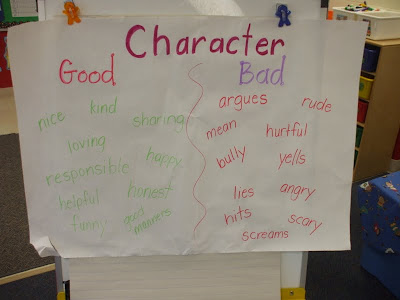
The good Hayâ' is to be ashamed to commit a sin or a thing which Allah and His Messenger (saws) has forbidden, and bad Hayâ' is to feel ashamed to do a thing, which Allah and His Messenger (saws) ordered to do.

http://productnews.link.net/general/Women/30-11-2011/Shy370x300.jpg


Firstly, to talk about the types of Good haya. For example, anyone who is a believer, he/she should build their personalities and their character with the good dimensions of haya. The most important is that he/she must be shy of doing ANYTHING displeasing to Allah (swt), with the belief that he/she will have to answer for all their deeds. If one develops a sense such as this one, it will help the believer to obey all of Allah's command and to stay away from sins. Once the believer realises that Allah (swt) is watching us all the time and we will have to answer to every move we make in this dunya (world), he/she would not neglect any order from Allah or His Messenger (saws). So the stronger this sense of haya becomes, the more it motivates one to make sure that Allah (swt) doesn't see him/her doing anything prohibited. The way to develop this haya is that one must keep learning and absorbing more knowledge and applying it to their lives.


http://mail.avon.k12.ct.us/~htoyen/S00384D56.0/CTP1603_big.gif
 
Another type of haya is more of a social aspect concerning others besides Allah (swt). Normally these things often come in regard with ones relationship with family. For instance, a child not wanting to do something displeasing to his mother, or a wife not wanting to do something displeasing to her husband or even a student who is careful about saying something incorrect in front of his teacher.. 

https://blogger.googleusercontent.com/img/b/R29vZ2xl/AVvXsEiwRXRviEWUamex1NIyvrlzk8cEB-r-FZLBTZGLJ_ciHt2VoF40fOIlEsThY22EM_a9jO7AJXQasJhAyUOtumTorCPu3tZsNFaZzRHutwj3srpYVKjDX78woDqJDp40CnF3sQBwmQPOviw/s1600/040.JPG

Last but not least is the type of haya in which the believers become shy of themselves. This is when they have reached the peek of their Iman. What this means is that if they do, or say, or see, anything wrong or even commit the tiniest sin, they start to feel extremely bad and embarrassed or they feel extreme guilt in their heart. This builds a high degree of self-consciousness and that is what strengthens the believers commitment to Allah (swt). 

 http://askdjlyons.com/images/Good_Character_Traits_Whiteboard2.jpg

After discussing the various types of "beneficial" haya, it is time to discuss the type of haya which is not only against the teachings of our Prophet (saw) but it is also solid proof of the weakness of someone's Iman. This negative aspect revolves around a person's shamefulness or shyness of doing something that Allah (swt) has ordered us to do through the Qur'an or our Prophet's (saw) Sunnah. 

http://chosen129.org/files/2012/06/Embarrassed.jpg

This constitutes the shamefulness or embarrassment of doing a lawful act or something that is ordered upon us from Allah (swt). Meaning for someone not to follow an obligation of Islam, due the fact of being shy in front of others about it. This is totally forbidden because then one is giving the people of this dunya more respect than the One who Created this whole universe. 

 http://blogs.discovery.com/.a/6a00d8341bf67c53ef0153920f26d1970b-800wi

It also means if someone is shy or afraid to seek knowledge of Islam for worldly reasons, because they do not want others to see them or to know of their ignorance. This once again goes contrary to what Allah (swt) has told us in the Qur'an, which is to seek knowledge and preach it to others. In this society there are many examples. People will go out an get degrees in law schools, or science, or engineering and they will put four to six years of their lives studying for this stuff that will only benefit them in this world. Why? You ask? Well most likely, in this society people including Muslims, choose their careers according to how much money they will make and what status they will have in this society as to being a lawyer or a doctor etc. They do not realize that in Islam the BEST stature of a Muslim is that of a "dai'i" or a teacher of Islam. 


These Islamic teachers and scholars are even higher in the eyes of Allah (swt) then one who only sits at home and does ibaadah (worship). If they want to study law, why not Islamic Shariah? If they want to study science, why not Islamic Science? So this explains how people consider the worldly careers to be of higher value and are embarrassed to even express an interest in Islamic Studies. It is usually because they will not be considered as high as the other "educated" people. This is having the bad haya or "shame" of something that is encouraged to us by Allah (swt) and His Messenger (saw).


Another proof of bad haya is that which is extremely popular amongst many sisters in this western society.
One of the most important aspects of haya, for women, is that of guarding their chastity and their modesty. To do this they must follow the order from Allah (swt) telling them to keep hidden themselves and their adornments from all men lawful to them in marriage. Now this order involves all the aspects of haya for those who do follow it. The believing and following women are ashamed of disobeying Allah (swt). They are shy of the opposite gender in this society because of what they might experience if strange men look at them and lastly they have haya because they are ashamed of going out in public and committing this grave sin of displaying their beauty is public. 


 http://www.englandspeaks.co.uk/images/muslim-veil-types.jpg

There are many women in this society who claim that they have haya but to follow the order of hijab is backwards and that women in this society shouldn't have to cover, is obviously disbelief. For if someone really had haya they would never contradict ANYTHING that Allah (swt) has ordained upon us even if they found it a test and a trial. A women's haya comes from her modesty and her shyness and her fear of Allah, so how can she have haya if she walks around in public un-veiled? Proof lies in the following hadith. Abdullah ibn Umar (ra) narrated that the Prophet (saw) said: "Indeed haya (modesty) and Iman are Companions. When one of them is lifted, the other leaves as well." (Baihaqi)

 http://sphotos-b.xx.fbcdn.net/hphotos-prn1/65479_475036717279_6786423_n.jpg

There are many verses in the Qur'an and many ahadith explaining the reasons behind observing Hijab. The Islamic Shariah has not stopped at giving the Commandments of Hijab, it has also clarified every such thing which directly relates to these commandments and, with the slightest carelessness, may result in vulgarity and immodesty. In other words such things have also been forbidden in order to close the doors to indecency and lewdness, in return providing a stronger pillar for haya. 

 http://sphotos-a.xx.fbcdn.net/hphotos-snc7/c0.0.403.403/p403x403/387100_10151258439343465_2016397697_n.jpg
 
Modesty (haya) and maintaining one's honour and dignity are of primary importance in preserving the moral fibre of any society. This is why modesty has been called the ornament of a woman, which protects her from many sins and which prevents ill-intentioned men from daring to have bad thoughts about her. This haya has been made a part of her nature to safeguard her from being abused by immoral men.Narrated on the authority of Anas bin Malik, the Prophet (saw) said: When lewdness is a part of anything, it becomes defective; and when haya is a part of anything it becomes beautiful. (Tirmidhi) 

https://blogger.googleusercontent.com/img/b/R29vZ2xl/AVvXsEjM4LXB0CD7075psOkdL3c_iQ5Aqo36AiHxuWmhczkGPT19n5DW9QfvcJGjVvWMTjcSoJrYXcoKw14fNZPxWLg8R9td2rmhWULyp24AWILk8idHqC-QwAnz_UvFXOlnjgoUN_-rwjyZkoXH/s1600/hijab3.jpg

So it is only obvious that Hijab plays an extremely important role in regards to Haya. For Hijab prevents lewdness and Haya backs this up and then person's Iman becomes even stronger. So both things work together in a partnership. 

 http://islamicmyths.files.wordpress.com/2008/01/muslim_women_supporting_the_hijab.png

At the time of our beloved Prophet (saw) as soon as the verses of Hijab were revealed, all the Quraish and Ansar ran home to their wives and daughters and close female relatives to tell them to cover themselves. The ones who had veils used them and the ones who did not have veils made some right away. For instance the following hadith tells us:
Narrated by Aisha (ra): May Allah have mercy on the early immigrant women. When the verse "That they should draw their veils over their bosoms" was revealed, they tore their thick outer garments and made veils from them. And when the verse "That they should cast their outer garments over themselves" was revealed, the women of Ansar came out as if they had crows over their heads by wearing outer garments. (Abu Dawood) 


http://www.loonwatch.com/wp-content/uploads/2009/10/hijab-760885.jpg

This indicates that all these women wanted to guard their modesty which is why they followed out the orders of Allah. Yet, another verse talk about the level of modesty in Aisha (ra):
Narrated Aisha (ra): "I used to enter my house where Allah's Messenger (peace be upon him) was and take off my garment, saying that only my husband and my father were there; but when Umar was buried along with them, I swear by Allah that I did not enter it without having my clothes wrapped round me owing to modesty regarding Umar." (at-Tirmidhi and Ahmed) 

 http://www.englandspeaks.co.uk/images/muslim-veil-types.jpg
 
If women in today's society choose not to wear the veils, but some belief in their hearts, than they might be categorised as Muslim women but not Mumineen. The truth is that Haya is a special characteristic of a Mu'min ( believing, practicing Muslims). People who are ignorant of the teachings of the Prophet (saws) do not concern themselves with Haya and Honour. Haya and Iman are interdependent; therefore either they both exist together or they both perish. Thus, the Prophet (saws) has said in one hadith, "When there is no haya left, then do as you please." 

 https://blogger.googleusercontent.com/img/b/R29vZ2xl/AVvXsEj1esSA6QXZl_WHjzCJ2Cz3EG6UHdEZd7WxgRb5MpWkAxJ-e0lQP_TE2F3RcxqOdOdMdYad6OVFDN8oX16FpsKTnfrBlT5dQwVWzKknAUDKqr4EwSDyoyKjwF3bznY22mrRL6JhDJLalwNf/s1600/Veils+BBC+News+Web+Article.jpg
 
Today vulgarity and all its ingredients have become a common place even among well-known Muslims in the zeal of imitating the disbelievers. It is these people who have been struggling to bring Muslim women out of Hijab into immodesty and indecency. They have adopted the lifestyles of the disbelievers more than the traditions of the Prophet (saws). Such people are in a dilemma. On the one hand, they desire to freely look at the half-clad bodies of their wives and daughters of other Muslims on the streets; and on the other hand, they do not have the courage to deny the teachings of the Holy Qur'an and the Prophet (saws). Neither can they say they have given up Islam, nor can they bear to see Muslim women wear Hijab and showing some Haya. 


Actually the fact is, indulging in indecency for so long has killed the sense of modesty (haya) which Islam had commanded them to preserve. It is this natural desire of maintaining one's honour which compels men to protect the respect and honour of their women. 


What these men and women do not understand is that if the women do not observe Hijab and do not develop Haya inside of them, they will be entertaining those who have taken the path of Sheytan. Such as the following hadith:
Malik b Uhaimir reported that he heard the Prophet (saw) saying that, "Allah (swt) will not accept any good deeds or worship of an immodest and vulgar person." We asked "Who is a vulgar and immodest person?" He replied, "A man who's wife entertains Ghair-mehram men."


Now the word "entertains" implies that she is showing off her beauty instead of keeping herself covered up. If the Muslim brothers of today's society knew the benefits of haya and hijab hey would definitely not tolerate the opposite. At the time of our beloved Prophet (saws) the husbands could not even imagine their wives leaving the houses un-veiled let alone go out and beautify themselves for other men to get "free looks". The following hadith shows this fact clearly: 
 

Narrated by Al-Mughira: Sa'd bin 'Ubada said, "I will not hesitate killing my wife with a sword if I see her with another man" This news reached Allah's Apostle who then said, "You people are astonished at Sa'd's Ghira (self-respect, honour). By Allah, I have more Ghira than he, and Allah has more Ghira than I, and because of Allah's Ghira, He has made unlawful shameful deeds and sins done in open and in secret. And there is none who likes that the people should repent to Him and beg His pardon than Allah, and for this reason He sent the warners and the givers of good news. And there is none who likes to be praised more than Allah does, and for this reason, Allah promised to grant Paradise (to the doers of good)." 'Abdul Malik said, "No person has more Ghira than Allah." (Sahih Bukhari) 


So this should be enough to understand why Hijab is so important for women to establish Haya in themselves and live the lives of true mu'mineen. Sometimes the situation becomes a such that people will have done wrong/sins for such a long period of time that they will not be able to differentiate between right and wrong. Another way to put this is that, a person's exceeding indulgence in indecency results in the loss of wisdom and the ability to see good deeds from bad deeds. As the Prophet (saw) said:
"I have a sense of Honour ( a part of haya). Only a person with a darkened heart is deprived of Honour."
So one wonders…..what if this observing of Hijab and maintaining Haya is so important then why is it we have nothing to show us the merits? Well the answer to that question clearly lies in the Qur'an and ahadith. 


There are many merits of Haya if one wants to know. Here are some just to list a few.
Firstly Allah loves Haya. We know this by the following hadith: " Surely Allah (is One who) has haya and is the Protector. He loves haya and people who cover each others faults."(Bukhari)
Secondly, Haya itself is a Greatness of Islam as our Prophet indicated: "Every way of life has a innate character. The character of Islam is haya." Or "Every Deen has an innate character. The character of Islam is modesty (haya)." (Abu Dawood)
Thirdly, Haya only brings good and nothing else. Our Prophet (saw) said: "Haya does not bring anything except good." (Bukhari)
Fourthly, Haya is a very clear indication of our Iman. As the Prophet (saw) had mentioned to the Ansar who was condemning is brother about being shy: "Leave him, for Haya is (a part) of Faith." (Bukhari)
Fifthly, last but not least, Haya leads us to PARADISE. As the Prophet saws) told us: "Haya comes from Iman; Iman leads to Paradise. Obscenity comes from antipathy; and antipathy leads to the fire." (Bukhari)


The actual word Haya is derived from Hayat. This means life. It is only obvious that when someone has Haya in them, they will LIVE a life of Islam. On the other hand if they do not have Haya they are living a life that is dead "Islamically" but alive according to this dunya.
The Prophet (saws) said: "Haya and Trustworthiness will be the first to go from this world; therefore keep asking Allah for them." (Baihaqi)


In conclusion we must understand that Haya is important for both men and women. Men are to control themselves by getting married as young as possible or if they cannot afford that, they should fast. Women are told to conceal themselves so that the men will not be over taken by the whispers of Sheytan and will not disrespect or take advantage of the women. 


There are many verses in the Qur'an that have clearly explained how we have to behave and Allah is All-Knowing therefore He knew that we would face these problems living in this society, and that is no excuse to change Islam and only practice what we feel is right. Allah (swt) has told men how to guide their modesty and has told women how to guide their modesty. If either one of them refuse to follow the commandment of their Lord, may Allah have mercy on them and may He guide them to the straight path.


"Say to the believing men that they should lower their gaze and guard their modesty: that will make for greater purity for them: and Allah is well acquainted with all that they do. And say to the believing women that they should lower their gaze and guard their modesty; that they should not display their beauty and ornaments except what (must ordinarily) appear thereof; that they should draw their veils over their bosoms and not display their beauty……." (Qur'an Nur, 30-31) 


ALL PRAISE BE TO ALLAH, AND MAY HIS PEACE AND BLESSINGS BE UPON MUHAMMAD (SAW), HIS FAMILY, HIS COMPANIONS AND HIS TRUE FOLLOWERS UNTIL THE DAY OF JUDGEMENT.

Labels

? "Be" and it is 1000 19 9/11 abd ablution abomination Abraham abrogated Abu Bakr Abyssinia Adam Addiction admiration admittance adornment adultery advertising advice Aelia affliction Afghanistan After effects of masturbation afterplay age Agnostics Ahmed aids Aisha Ali Alif Laam Meem Alif Laam Raa Almighty Alone Amen america amino acids An-Nas anatagonism angels anger Animal anonymous anti christ apple Aqsa Arab Arabic argument Aristotle armageddon Army arrogant Ascension aspects assertiveness association astray Atheist atom attitude attributes authority awrah Awwah Ayah Azan Babylonia Back Badr baisan Balfour Ballet banished banks Battles Beast of the Earth beautiful Behind belief Believers Beneficent Benjamin Franklin betrothal better beware Bezmenov bible birth bishop Black blame Blessings blind blood Body bow Boys brainwash breasts Britain Brother Bukhari Bum burden burnt business Butt Byzantine calamity Caliphate calling Calvin camel capitalism caravan Caspian sea catholic Cats cattle Caucasus Cause Caution century change character Charity Chechnya Children china Choice Chosroes Christianity christians Chronicles church circumstances civilization Clay cleanliness climate Clothing coercion Coitus collapse Comfort Command communist companions compensation conditions Condom confidence conflict confrontation confusion congratulations conquest consciousness consent consequence Constantinople constitution consummation context contract Control conviction corruption covenant Crack Creation Creed crime crucifixion Crusade crux cuddling culture cure currency curse customs Da'wah Daff Dagestan dajjal Damascus Dance danger darkness Darwin dates daughter David Dawah day daybreak death decency deception Declaration decrees deeds Deen defeat defense defenseless Deist delusive democracy Demoralization depiction descent deserve design desires destabilization destiny Devil devotion Dhikr Dhul Qarnain Diaspora differ dimension disbelief discharge discipline discredit disguise disobey Disorder displease disposal Distraction divine divorce doctor doctrine dogma dominate Dr Dreams dressing Drugs Dua duty earth economy education ego Egypt Eid Eid ul Adha Ejaculation Emission emotions Empire enemy enjoining good and forbidding evil Enjoy environment envy epileptic era ere eschatology establish eternity Ethiopia Euphrates europe Eve Evil example exception exclusive excuse exhorting exile existence exodus experience expiation explanation Exposed expulsion Exquisite extremism Eyes Facts Faith Falaq fall false Family Fasting fate father Fear fellatio Female Feminine feminist fight Film Findlay fire first night Fitrah flogging Food fool foot forbidden Foreplay forgery forget forgive fornication fortune fragrance France freemasons freewill Fresh Freud friend functional future Galilee Games garden Garments Gay Gaze Gender Germany ghusl gift God godlessness gog magog gold Golden Age goodness gospel government gratitude Grave greed grief group Guidance guilty gun Habits Hadith Hadrian Hafsah Hajj Hameed Handsome Hanging Happy haqooq haram harassment hardships harm harsh Hashim Haya Health heart Hejaz hell help Henry Ford Heraclius Hereafter hesitation hijab hijri hire history hitherto HIV Holy Land Homo Homosexuality honesty hope horizon horns hostile house Hudaybiyah Hug human humble humiliation Hurf husband hypocrites Iblees Ibrahim identity ideology ignorance Ihsan Illuminati imitate Imperialism implication impossible impotent Imran income tax India inevitable infiltration influence inheritance innocent inquisitive insight insinuations insist inspiration instinct integrity Intention intercourse interest Interpretation intifada intimacy intimidate intoxicants Intransitive Invasion invocation Iqbal Iran Iraq Iron Isaiah Ishmael Islam Islamic State Isra Israel Israr Jameela jassasa jealousy Jehovah Jerusalem Jesus jews Jihad jinn Job john Joke Jonah Jordan Joseph Joshua journey judaism judgment Juruf Justice Juwayriyah Juz kaafir Kahf kemal ataturk key Khadijah Khilafah Khorasan Kids kindness Kingdom Kiss knife Knights knots Know Knowledge labor landslide language LaRouche Laugh law laziness leader lecture legacy legalized fraud Legislation lesbians Letters liar liberalism licking life light limits Liwat loan logic Lord Lot love Lovers Low rise loyalty luke lure lust luxury mahram Maida Maimunah Majesty Makkah makruh Male manipulation Mankind manners mark Marriage martyr Mary Maryam Masjid massage Masturbation material matthew maturity media menstruation mercy Messenger Messiah metaphysics methodology Middle East Might Migration military mind Minute Miracle misconception Misunderstand miswak mockery model Modesty money Monks monogamy monotheism month moon morality Moses Mother Movies Mubarak Muqatta'at Music Muslim mystery Nafisah Nafs Najd naked Naml narration Nation nature needs negative Negus Neighbor New World Order Night Nikah Nile Nineteen Nisa Noble Nocturnal Noon normalization Nouman Ali Khan Nudity Nufaysah oath obedience obligation obsession oil Oklahoma Only oppression oral Orgasm Ottaman Ottoman oxygen pagans Pakistan Palestine panic paper currency Paradise Parents parliament partners path Patience Paul Peace Pearls penetration Penis People of the Cave perception perfume permission Perpetual persecution Persia persistent Perspective persuasion perversion pharaoh philanthropist Philosophy physical Plato please pledge plural society political polytheist poor Porn positions poverty power practice Pray Prayer pre-ejaculatory fluid preaching prediction Premature preparation prevention pride priority prison privacy private parts Proclaim prohibition Promiscuity promise prophecy Prophet Prophethood proposal Prostate protection proteins protestant proxy Psalms pslams Psychology pubic hair public punishment pure purpose pursue Qarun Qiblah Qur'aan Qur'an Quraysh Qurbani rabbis race Racist rain Ramadhan Rape Rayhaanah Read reality realization reason rebellious rectum reformation Refuge rejection relapse relations Relations relatives release religion Remedy Remember repentance repercussions reprieve responsibility resurrection Revelation revenge revert Revolution reward Riba rich ridicule righteousness rights role romance Romans Rome ruling state Russia Sabra Shatila sacrifice Saff Safiyah sagacious Sagging Sahih Saladin Salat Salman Farsi salvation sarcasm Satan satisfaction Satr Saudi Arabia Sawdah scandals scholars school sea of Galilee secular security seduction seek Self Semen Sense sermon Sex Sexuality shade shameful shariah Shawwal sheep Shirk Shoulder show shy Side Sight sign significance sin Sinai skill slaughter slaves Sleep Smile smoke Smoking Smooth snake social society Soldiers solidarity Solomon son Soul source Sovereignty spain Sperm Spider spiritual spoils spouse spread Stages Start stealing stimulation stoning Straight strategy strength Strive structure Struggle submission Subversion subverter success sucking Sufyan suicide suitor sulk Sunnah sunshine Superiority superstitions supplication support Supreme Surah surrender sustenance Sword symbols syphilis Syria system Ta'beer Tafseer Tahirah Tamim Dari tangible Taweel teacher tears Temptation terrorism test Testament Thank Think Thomas throne Thunder Tiberius Time Titus tongue Torah touch trade Transgress Transgressors tree trial triggers trinity triumph trust truth Turkey Turks turmoil TV Ubaidah UFO umar Umm Habibah Umm Salamah Umm ul Hakam unaware Under Understand Underwear Unique unity universe unlettered unseen USA usury Uthman vatican veil verses victory Video violation Violence Virgin virtue Vision wait wajib War Waraqah Warning weakness Wealth week Weishaupt western Wet Dream Whispers White why wickedness widow wife will wills Wisdom witch withdrawal witness Wolverine Woman words Worldly Worse Worship wrath Yakubov Yathrib year Yemen yitzhak Young Zachariah Zayd Zaynab bint Jahsh Zaynab bint Khuzaymah Zionism Zorastrian zughar Zukhruf